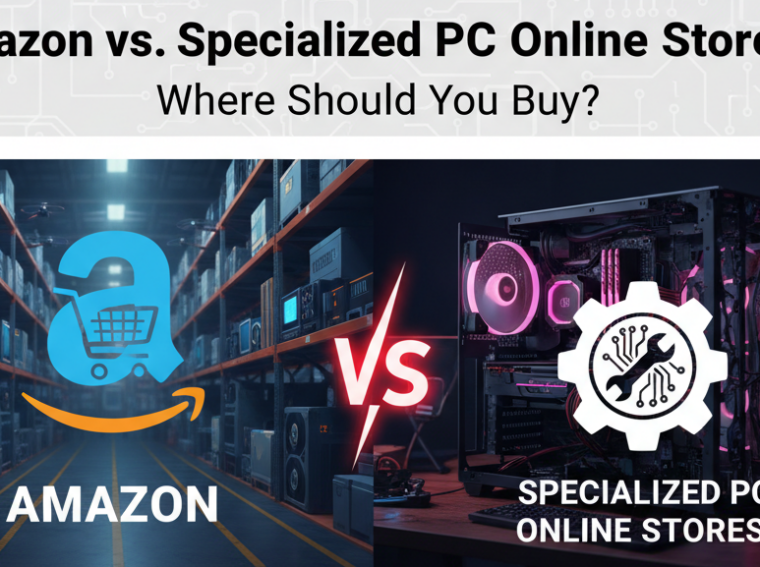
Buying a new computer or upgrading an existing setup is rarely a light decision. With so many retailers competing for attention, the choice often narrows down to giants like Amazon or specialized online stores dedicated exclusively to PCs. Some people also look toward boutique brands, such as Hyper Cyber, a company known for crafting top-tier custom systems that look as impressive as they perform. When options range from universal platforms to niche experts, the buying path becomes more complex. That complexity, however, is exactly what makes the comparison worth examining. Before diving into the differences, it’s helpful to understand the unique value each option brings. Amazon represents convenience and speed, while specialized PC retailers tend to promise expertise and precision. The right choice depends not only on budget but also on how much importance a buyer places on guidance, personalization, and long-term support.
Convenience and Reach of Amazon
One of Amazon’s strongest points is the sheer range of products it carries. A single search for a graphics card can bring up dozens of models, from entry-level to cutting-edge. Buyers can place everything into one cart, from a motherboard to a mouse pad, without opening another website. This ability to consolidate purchases has become a huge factor for many people who value efficiency. Another advantage lies in Amazon’s delivery network. With fast shipping options, including same-day service in some regions, waiting times are often shorter than those offered by specialized shops. That matters for those who don’t want to sit idle while their old system continues to struggle. Reviews also play a role, since Amazon hosts feedback from thousands of buyers, making it easier to spot red flags or confirm performance claims.The Strength of Specialized PC Stores
Specialized online stores, in contrast, position themselves as places where expertise outweighs sheer volume. Instead of juggling millions of unrelated items, these retailers focus on hardware and accessories designed for enthusiasts. The result is a curated catalog that filters out irrelevant products and highlights reliable components. Such stores often provide detailed descriptions, compatibility checks, and personalized customer support. If a shopper needs advice about whether a certain CPU pairs well with a specific motherboard, they’re more likely to get a meaningful response from a PC-focused retailer than from Amazon’s generalized support. This guidance can prevent costly mistakes. Specialized stores also frequently offer pre-built systems optimized for gaming, creative work, or professional use, giving customers ready-to-go solutions.Pricing and Hidden Costs
When comparing costs, Amazon tends to stand out with frequent discounts and aggressive deals. Flash sales and bundle offers can make the platform appear more affordable at first glance. However, specialized stores sometimes match or even surpass Amazon in terms of value by including extra services. For example, they may provide assembly, testing, or extended warranties at little or no additional charge. Furthermore, specialized stores, like Hyper Cyber, also offer special deals occasionally. It’s important to consider hidden costs as well. A cheaper part ordered from Amazon might require professional installation later, while a system bought from a dedicated store arrives assembled and tested. What looks like savings could transform into expenses once technical support or repairs come into play. For many buyers, the deciding factor is whether they prioritize the lowest upfront cost or the best overall package.
Why Enthusiasts Often Choose Specialists
People who take performance seriously often lean toward specialized PC shops. There are several reasons for this preference:- Specialized retailers typically employ staff with strong technical backgrounds who understand the details of gaming rigs, workstations, and overclocking.
- They frequently test components before shipping, reducing the chances of receiving defective parts.
- Many offer customization, letting buyers choose every component and aesthetic feature for a truly personal build.
- Support usually goes beyond generic troubleshooting, with experts helping customers solve advanced issues.