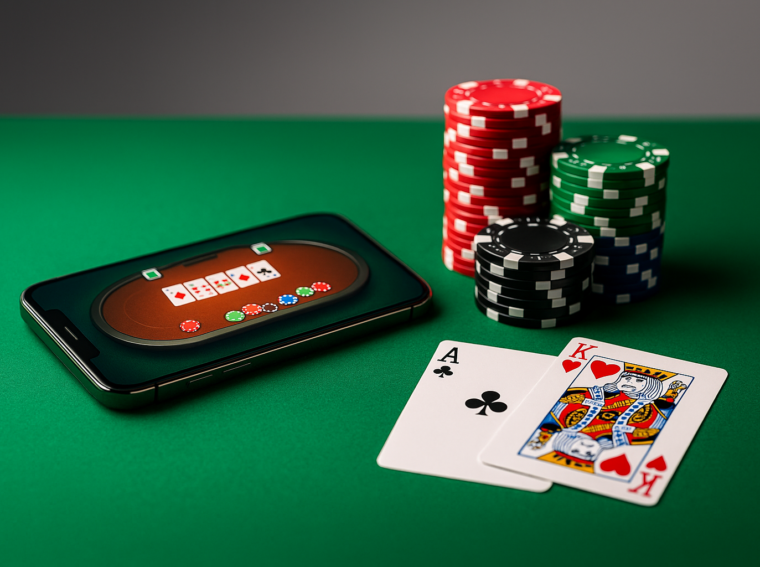
Poker has stayed active in casinos and home games while plenty of newer titles have peaked and disappeared. Players still choose it as a regular option rather than something they try once and forget.
Today, it runs in two main spaces: live tables where people learn strategy face-to-face and online poker platforms that use real-time traffic data and expert insights to help players find tables that fit their plans. Those conditions form the base for understanding why the game holds its place when others fade
A Game Older Than Most Modern Sports
Nineteenth-century records already list poker among organized pastimes, with games running on river routes, in frontier towns, and in private clubs. However the details looked, players were wagering on ranked hands and contesting shared pots in a way that still makes sense today.
Across the twentieth century, the names on the felt changed. Draw and stud formats lost ground to Texas hold ’em, yet hand rankings, betting rounds, and the idea of playing pots with incomplete information stayed fixed. A player who learned decades ago can walk into a modern card room and recognize the structure almost at once.
That kind of continuity is rare in gaming. Generation after generation kept choosing the same basic rules, which means the game proved itself long before online platforms, television coverage, or modern marketing arrived.
Simple Rules, Endlessly Deep Decisions
A new player can understand poker in one evening. Hand rankings, betting rounds, and blind structure fit into a short explanation that works at a home table or in a small casino game.
Once those basics are in place, the decision space becomes much larger. This is because position, stack size, and earlier betting change the value of the same starting hand from deal to deal. Players compare ranges, consider future streets, and read opponents, all while following rules that have not changed.
The contrast between simple rules and constantly changing situations keeps the game alive for years. Players do not need a new system to recognize progress, yet they always see choices they can handle better. A game that offers improvement without reinvention gives people little reason to leave it behind..
Luck, Skill, and the Sense That Anyone Can Win
Poker lasts in part because luck and skill both influence results and draw different players into the same game. Newcomers see that early wins are possible without deep experience, and regulars stay because better decisions improve their results over time. This keeps participation broad.
In short sessions, a few cards can decide outcomes, giving players with limited knowledge the chance to win pots against stronger opponents. Early play does not demand preparation, which encourages people to try the game without feeling outmatched.
However, results from long periods of play are different from what happens in a single night. Research on the role of skill versus luck in poker finds that players who learn strategy achieve stronger results more often than players who rely only on luck, because extended play shows the effect of good decisions more clearly. This balance keeps games competitive without shutting out players who participate at different levels of experience.
Stories, Personalities, and Televised Drama
Once poker reached streaming and television, the game stopped existing only for the people at the table. Broadcasts began to follow specific players, show their decisions hand by hand, and return to the same names in later events. Viewers could recognize faces, remember key pots, and talk about them the way sports fans talk about big plays.
According to recent poker Twitch statistics, the game has been watched for more than 23 million hours this year, with average audiences around 2,780 viewers and peaks above 22,000. These numbers show that poker has a stable viewing crowd that comes back regularly, not just a one-time audience. When a game is watched this often, its stories stay in circulation and the game stays alive.

From Kitchen Tables to Apps in Your Pocket
Data on the global online poker market shows a value of about US$5.3 billion in 2024, with projections rising to US$11.4 billion by 2030. These figures point to a large and growing group of people who now choose to play the same game online instead of only in live rooms or home settings.
Growth on these platforms comes from simple access. Players can join a table from a phone, laptop, or tablet in short breaks without learning new rules or formats. The game feels familiar, whether it is played at a kitchen table or on a screen, which helps poker stay active as daily habits move toward digital play
Community, Identity, and the Player Mindset
Endurance also depends on what happens around the table. Regular home games and local leagues give players a fixed group and a familiar setting. People track each other’s results, recall old pots, and treat the weekly game as a stable part of their calendar.
Online spaces extend that social layer. Forums, study groups, and streams create places where players post hands, ask for advice, and share long-term goals. Over time, the game becomes part of how they describe themselves, from occasional low-stakes regulars to people who treat poker strategy as a serious side interest. When a game reaches that level of identity, it becomes harder to walk away from it entirely.
Final Thoughts
Poker has endured because several forces work together. Time has tested the rules; simple entry brings new players in, long-term skill keeps serious students interested, and media coverage supplies constant stories and personalities. Digital growth and strong communities then ensure that the game remains easy to find and discuss.
Other titles rise quickly and then dissolve when attention moves on. Poker has already shown that it can move through new platforms and new habits without losing its core. That record suggests the game will keep its place in modern gaming long after the next wave of releases has passed.