If you manage a yard, garden, or larger property, you’ve probably faced the same situation: a growing pile of branches after pruning, heaps of leaves in autumn, or storm debris that won’t fit neatly into yard bags. Green waste is one of those ongoing realities of property care.
Machines like wood chippers and mulchers promise a solution. They reduce volume, save disposal trips, and can turn debris into something useful. Because they’re often mentioned together, many people assume they do the same job. In practice, they’re designed for different types of material and different outcomes.
Understanding the real difference between a wood chipper and a mulcher can save you money, storage space, and frustration. The right choice depends less on marketing and more on the kind of work you actually do on your property.
The Shared Goal: Making Yard Waste Manageable
Both machines exist to solve the same broad problem: too much organic debris. Instead of hauling everything away, you process it on-site. This can reduce waste volume dramatically and create byproducts that are useful in landscaping.
But while their goals overlap, their methods and ideal uses differ. A chipper focuses on solid wood. A mulcher focuses on softer, greener material. That distinction matters more than many buyers realize.
What a Wood Chipper Is Really Built For
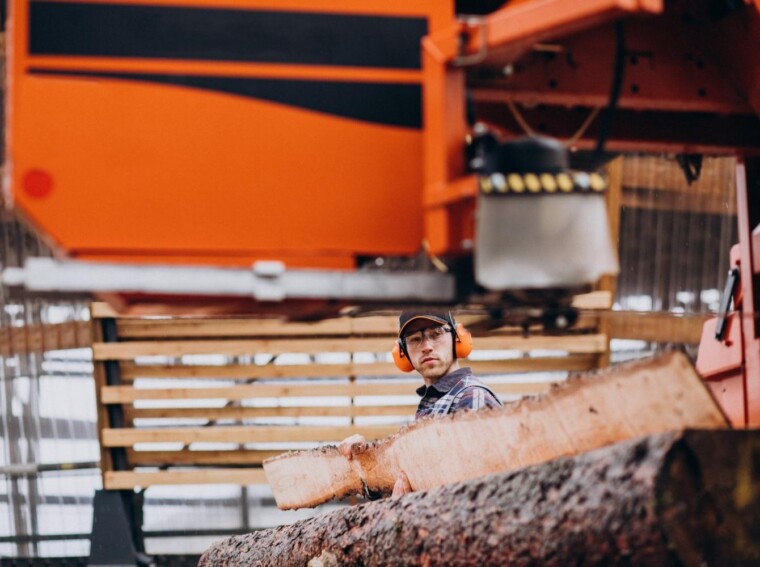
A wood chipper is designed to handle hard, woody material like branches and limbs. Inside, a motor drives a heavy flywheel fitted with sharp blades. As wood feeds in, those blades slice it into chips.
The output tends to be chunky and fairly uniform. These chips break down slowly, which makes them good for pathways, decorative ground cover, or areas where you want long-lasting mulch. They’re less about feeding soil quickly and more about durable coverage.
If your property has mature trees, regular pruning, or frequent storm debris, a chipper addresses the toughest part of cleanup. It can handle material that would overwhelm a leaf-focused machine. Many property owners who deal with real wood volume find that a chipper turns an exhausting chore into a manageable task.
What a Mulcher Is Meant to Do
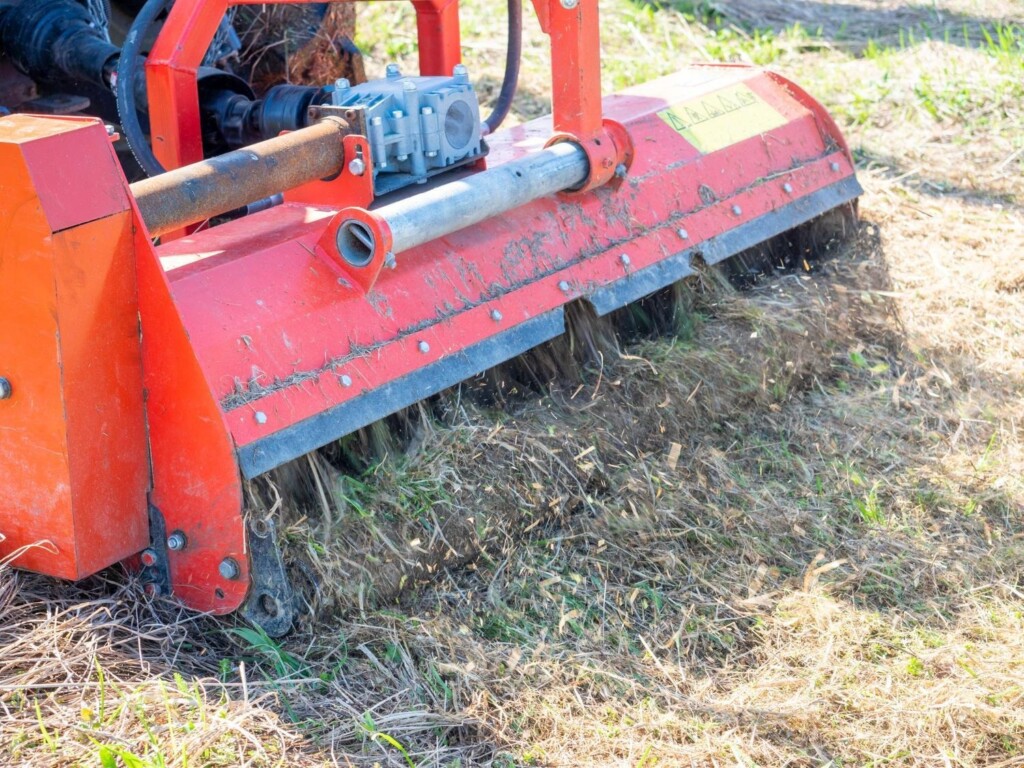
A mulcher, by contrast, is aimed at softer organic matter. Leaves, garden trimmings, and small twigs are its comfort zone. Instead of slicing like a chipper, it shreds and grinds material into finer particles.
The result is a softer, more soil-friendly mulch that decomposes relatively quickly. Gardeners appreciate this because it returns nutrients to the soil and supports composting. If your main challenge is seasonal leaf fall or garden waste, a mulcher aligns well with that need.
Where mulchers struggle is dense wood. Feeding thick branches into a machine designed for leafy material can lead to clogs, strain, or disappointing performance.
Why People Get Confused
The confusion often comes from combination machines. Many products are marketed as chipper-shredders or chipper-mulchers. These hybrids typically have separate inputs for different materials and aim to offer flexibility.
They can be useful, especially for homeowners with mixed needs. But they still have limits. A combo unit might do both jobs adequately, yet it rarely matches a dedicated machine in its specialty. Understanding those limits helps set realistic expectations.
Choosing Based on Real Life, Not “Just in Case”
One of the most practical ways to choose is to look at your typical cleanup, not your occasional worst-case scenario. Some people buy for the “what if” situation and end up with equipment that’s oversized for their real needs.
If most of your debris is leafy and green, a mulcher will likely get more use. If you regularly cut branches or manage wooded areas, a chipper becomes more valuable. For some households, renting a chipper once a year for big jobs and using a mulcher the rest of the time is a sensible balance.
Frequency matters. A machine used monthly justifies ownership more than one used once a year.
The Environmental Upside
Both tools support a more sustainable approach to yard care. Instead of sending organic waste to landfill, you reuse it. Chips and mulch can help suppress weeds, retain soil moisture, and improve soil structure over time.
This closed-loop approach is appealing for homeowners who care about resource use. It turns cleanup into an opportunity to support your landscape rather than just manage waste.
Safety and Practical Use
These machines are powerful and deserve respect. Eye and ear protection are standard, and gloves are wise. Feeding material at a steady pace instead of forcing it helps both safety and performance. Routine maintenance, like keeping blades sharp, also makes a difference.
A well-maintained machine is not only safer but also more effective. Dull blades and clogged systems reduce efficiency and increase strain on the motor.
Thinking About Cost
Prices vary widely. Smaller residential units can be accessible, while heavy-duty machines are a larger investment. The smartest way to think about cost is in relation to your workload.
If a machine saves hours of labor several times a year, that value adds up. If it sits unused most of the time, the payoff is less clear. Storage space is another factor people sometimes forget. These are not tiny tools, and they need dry, secure storage.
The Bottom Line
A wood chipper shines with solid wood and branch-heavy cleanup. A mulcher shines with leaves and garden waste. Hybrid machines offer flexibility but still lean one way or the other in practice.
Choosing well means being honest about your property and habits. When the machine fits the job, cleanup becomes faster and less tiring, and the byproduct becomes a resource rather than a nuisance.
Yard care will always produce debris. The question is whether that debris becomes a burden or a resource. With the right tool, it can be the latter.
If you want a deeper comparison before deciding, many property owners find it useful to review detailed guides like this further-reading breakdown from Equipment Outfitters on wood chippers vs mulchers. It offers additional context for matching a machine to your needs.
In the end, the smartest choice is the one that fits your real workload. When function guides the decision, both your time and your landscape benefit.