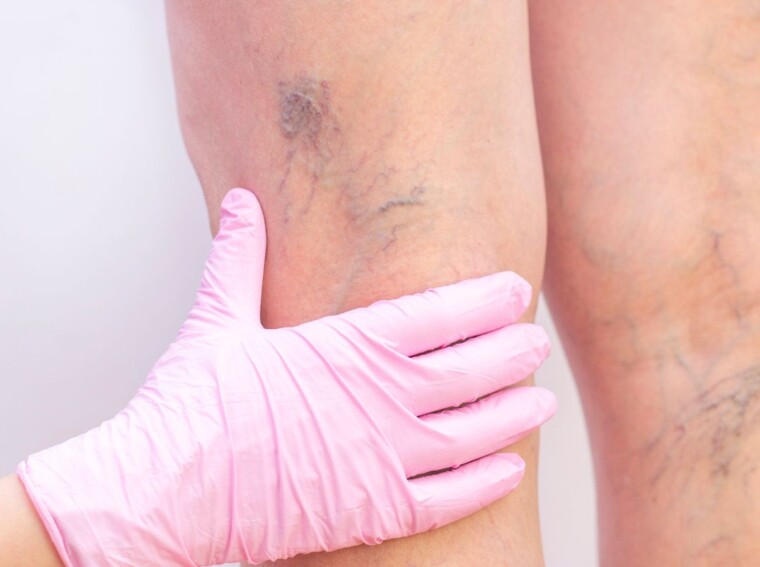
Minimally invasive vein treatments have transformed the management of chronic venous disease, varicose veins, and spider veins. Rather than relying on large incisions, lengthy hospital stays, and extended downtime, patients can now receive targeted outpatient procedures from a vein specialist that relieve symptoms, improve cosmetic appearance, and reduce long-term complications. Clinics such as Metro Vein focus on these modern techniques, providing clear guidance, expert care, and personalized treatment plans for busy patients. This article explains what minimally invasive vein treatments entail, the common procedures a vein specialist performs, who makes a good candidate, what to expect during diagnosis and recovery, insurance considerations, and practical tips for choosing the right specialist.
What are Minimally Invasive Vein Treatments?
Minimally invasive vein treatments are procedures designed to close, remove, or collapse abnormal veins using small punctures, catheter-based techniques, adhesives, or injections rather than open surgery. The goal is to stop dysfunctional veins from routing blood backward (venous reflux), relieve symptoms such as pain, swelling, heaviness, cramping and itching, and improve skin changes or ulcer risk associated with chronic venous insufficiency.
These treatments are typically performed in an outpatient setting under local anesthesia or mild sedation. They rely on ultrasound guidance to precisely target the diseased segment, which reduces tissue trauma and accelerates recovery. Compared with traditional vein stripping, minimally invasive options result in less pain, fewer complications, faster return to activity, and better cosmetic results.
From a patient-education and SEO perspective, clearly explaining the difference between invasive and minimally invasive approaches, while using terms patients search for like “varicose vein treatment,” “vein specialist near me,” and the specific procedure names, helps practices attract qualified traffic and improve conversion rates.
Common Procedures Performed by Vein Specialists
A vein specialist will select a technique based on vein anatomy, symptoms, comorbidities, and patient preferences. Below are the most common minimally invasive procedures and how each works.
Radiofrequency Ablation (RFA)
Radiofrequency ablation uses a thin catheter inserted into the diseased vein under ultrasound. The catheter delivers controlled radiofrequency energy to heat the vein wall, causing it to collapse and seal shut. Blood is naturally rerouted to healthier deep veins.
Advantages: predictable closure rates, minimal bruising, and quick recovery; patients often walk immediately and return to normal activity within days. RFA is a strong option for long saphenous vein reflux and is commonly recommended by vein specialists when anatomy is favorable.
Endovenous Laser Therapy (EVLT/EVLA)
Endovenous laser therapy operates on the same principle as RFA but uses laser energy delivered through a fiber inside a catheter. Different wavelengths and fiber designs allow customization for vein size and location.
Advantages: high efficacy, short procedure time, and excellent cosmetic outcomes. Some practitioners prefer EVLT for specific vein characteristics: both EVLT and RFA have robust long-term data supporting durability when performed by an experienced clinician.
Medical Adhesive Closure (VenaSeal)
Medical adhesive closure systems (commonly known by brand names like VenaSeal) use a medical-grade cyanoacrylate adhesive to close the vein without heating. The adhesive is delivered via catheter while the physician compresses the vein: it bonds the vein walls together and eliminates reflux.
Advantages: no need for tumescent local anesthesia (the multiple needle injections used in thermal procedures), shorter procedure time, and very little post-procedure pain. It’s an attractive option for patients sensitive to anesthesia or who want minimal discomfort.
Sclerotherapy and Foam Sclerotherapy
Sclerotherapy involves injecting a sclerosant solution directly into small varicose veins or spider veins, causing them to scar and be reabsorbed by the body. Foam sclerotherapy is a variant where the sclerosant is mixed into a foam to treat larger veins with better surface contact.
Advantages: office-based, quick, and effective for residual veins after ablation or as a primary treatment for smaller refluxing tributaries. Multiple sessions may be required for optimal cosmetic improvement and symptom control.
Ambulatory Phlebectomy and Microphlebectomy
Ambulatory phlebectomy (also called microphlebectomy) removes bulging surface varicose veins through tiny skin punctures. Using specialized hooks, the vein is extracted in segments. Local anesthesia and minimal downtime make this a durable option for large surface veins that aren’t suitable for sclerotherapy alone.
Advantages: immediate removal of visible bulges, high patient satisfaction for cosmetic correction, and complementary use with endovenous techniques for comprehensive treatment.
Who is a Good Candidate for Treatment?
A good candidate is someone experiencing symptomatic venous disease, aching, swelling, nocturnal cramps, heaviness, restless legs related to venous insufficiency, or visible varicose and spider veins that affect quality of life. Ideal candidates typically have:
- Confirmed venous reflux on duplex ultrasound.
- Vein size and anatomy are appropriate for a minimally invasive approach.
- No acute deep vein thrombosis (DVT) or uncontrolled comorbidities that increase procedural risk.
- Realistic expectations about outcomes and recovery.
Certain populations, pregnant patients, those with active infections at the treatment site, or untreated severe arterial disease, may need delayed or alternative approaches. A vein specialist evaluates medical history, medications (anticoagulants), and lifestyle goals to determine candidacy.
For clinics and medical websites, framing candidacy around symptoms and the diagnostic process improves relevance for search queries and helps patients self-assess before booking a consultation.
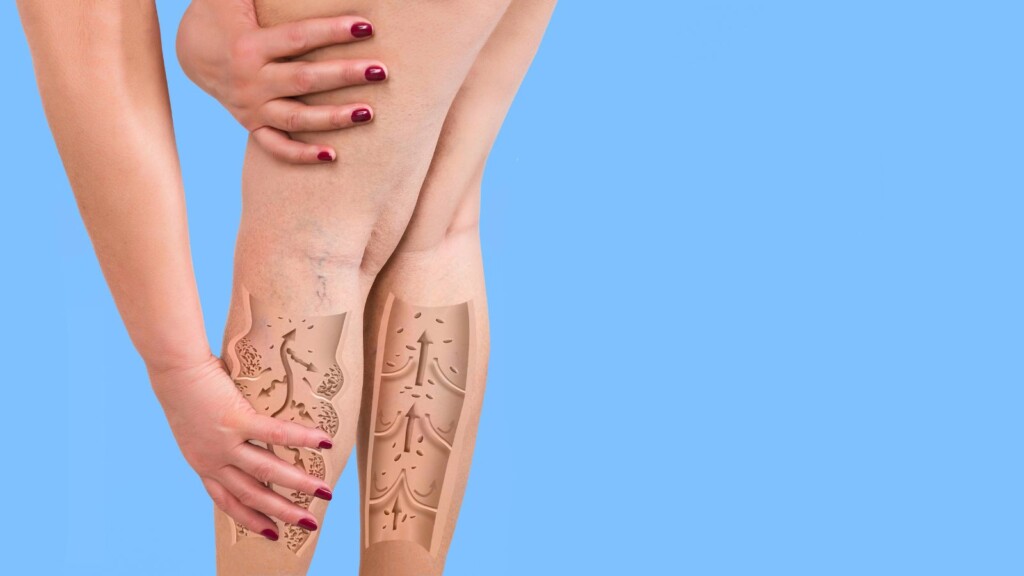
What to Expect During Consultation and Diagnosis
The initial consultation centers on history-taking, physical exam, and duplex ultrasound, a noninvasive test that maps the venous system and documents reflux or obstruction. The vein specialist will discuss treatment goals, procedural options tailored to the ultrasound findings, risks, recovery, and costs.
Expect a focused conversation about medical history (previous DVT, bleeding disorders, medications), and lifestyle factors such as standing occupations or pregnancy history. The physician will show the ultrasound images and explain why a specific treatment is recommended.
Typical Treatment Process and Recovery Timeline
Most minimally invasive procedures are performed in an office procedure suite or outpatient center. Typical steps include:
- Pre-procedure marking and local anesthesia or mild sedation.
- Ultrasound-guided catheter or injection placement.
- Immediate post-procedure compression and short observation (often under an hour).
- Ambulation soon after and return to most activities within 24–48 hours: strenuous exercise may be restricted for 1–2 weeks, depending on the procedure.
Recovery symptoms usually involve mild bruising, transient discomfort, and numbness at the access site that resolves in a few days to weeks. Follow-up ultrasound at 1–2 weeks and again at 3–6 months confirms closure and healing.
Insurance, Costs, and Coverage Considerations
Insurance coverage varies: many insurers cover endovenous thermal ablation and sclerotherapy when the procedure is deemed medically necessary (documented reflux and symptomatic disease). Cosmetic-only treatments for spider veins without symptomatic reflux may not be covered.
Out-of-pocket costs depend on geography, facility fees, anesthesia, and whether adjunctive procedures (phlebectomy, additional sclerotherapy) are required. A transparent pre-authorization process and itemized estimate help patients plan financially. Vein clinics that publish treatment pathways and typical costs, while explaining when insurance applies, improve patient trust and reduce administrative friction.
Benefits, Risks, and Expected Outcomes
Benefits:
- High success rates for symptom relief and vein closure when treated by an experienced vein specialist.
- Minimal downtime and rapid return to normal activities.
- Reduced risk of venous ulcers and progressive skin changes when treated early.
- Superior cosmetic results compared with open surgery.
Risks (infrequent, usually manageable):
- Bruising, transient numbness, or localized infection.
- Deep vein thrombosis (rare) or superficial thrombophlebitis.
- Skin pigmentation or matting after sclerotherapy.
- Incomplete closure requiring touch-up treatments.
Expected outcomes hinge on realistic expectations and adherence to follow-up. Many patients experience substantial symptom improvement within days and sustained benefit at 1–3 years in most series. Combining treatments, ablation for the main reflux source and phlebectomy or sclerotherapy for tributaries, often yields the best functional and cosmetic results.
How to Choose the Right Vein Specialist
Selecting the right vein specialist matters more than the specific technology. Consider these criteria:
- Board certification and fellowship or focused training in vascular medicine, interventional radiology, or vascular surgery with a strong vein-focused practice.
- Routine use of duplex ultrasound in the clinic for diagnosis and intra-procedural guidance.
- Transparent presentation of options, risks, and expected outcomes with before-and-after examples.
- Proven outcomes data, patient reviews, and a willingness to provide follow-up care.
- Multimodal capability: offering thermal ablation, adhesive closure, sclerotherapy, and phlebectomy ensures individualized care.
From a marketing standpoint, practices that publish educational content, patient pathways, and clear cost/coverage information perform better in search and convert more visitors into consults. Agencies like My Profit Engine that specialize in link building can help vein clinics amplify authoritative content, earn local citations, and drive qualified leads if a clinic lacks in-house SEO resources.
Conclusion
Minimally invasive vein treatments performed by a qualified vein specialist deliver effective symptom relief, improved appearance, and a fast recovery compared with traditional surgery. Understanding the specific procedures, RFA, EVLT, adhesive closure, sclerotherapy, and phlebectomy, helps patients set realistic expectations and choose the most suitable option. For clinics, publishing clear, patient-centered content about candidacy, diagnosis, recovery, and costs not only educates prospective patients but also strengthens SEO and conversion. Partnering with experienced digital teams can amplify that content, helping vein specialists reach the people who need care while maintaining clinical integrity and compliance.