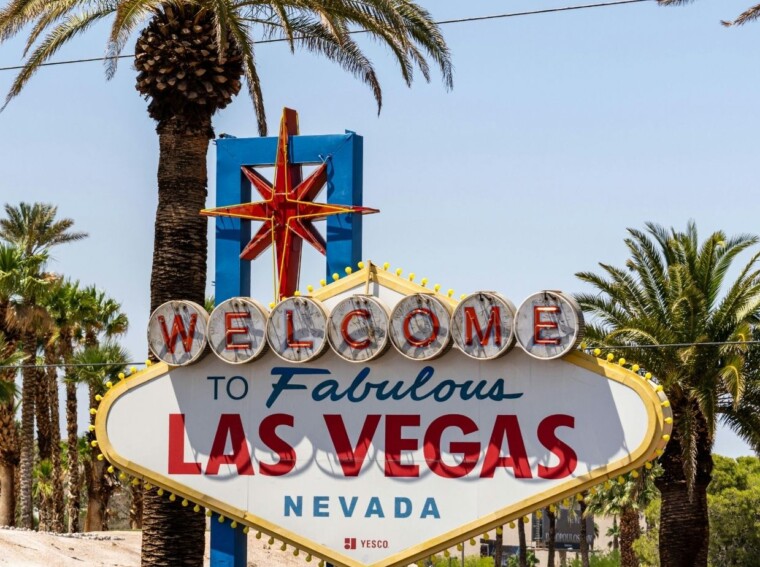
For decades, Las Vegas has held the affectionate title of the “Ninth Island,” serving as a primary vacation destination for Hawaii residents seeking entertainment, shopping, and a change of scenery. The connection between Maui and Southern Nevada goes beyond simple tourism; it is a cultural exchange deeply rooted in shared history and family ties. However, the logistics of traveling from Kahului to the desert have evolved significantly over the last few years, requiring more strategic planning than the casual trips of the past.
Securing Affordable Flights From Kahului Airport Early
The flight from Kahului Airport (OGG) to Harry Reid International Airport (LAS) is a significant journey, and ticket prices have become increasingly volatile. While inter-island travel often allows for flexibility, the trans-Pacific haul to Nevada demands significant lead time. Industry data suggests that the optimal booking window for flights from Hawaii to the mainland has shifted earlier, with the best fares often appearing three to four months prior to departure. Waiting until the last minute can result in premiums that eat into the discretionary budget intended for dining or shows.
Beyond the base fare, travelers must account for the logistical nuances of flight schedules. Many routes involve red-eye flights or long layovers on the West Coast, which can impact hotel check-in logistics upon arrival. Arriving in Las Vegas at 7:00 AM when hotel check-in isn’t until 3:00 PM creates a gap that requires planning, such as arranging early check-in or identifying secure luggage storage. Furthermore, baggage fees have risen across most major carriers. For Maui residents accustomed to bringing omiyage (gifts) for mainland family or planning to bring back items from Trader Joe’s, factoring in luggage costs is a critical part of the initial budget calculation.
It is also prudent to monitor seasonal demand spikes. Travel volumes surge during school breaks and major holidays, specifically around graduation season and the Ninth Island’s favorite gathering times. savvy travelers set fare alerts weeks in advance and remain flexible with their departure dates. shifting a departure from a Friday to a Tuesday can often result in substantial savings, freeing up funds for the actual stay.
Choosing Accommodations Near The Fremont Street Experience
For many Hawaii residents, Downtown Las Vegas—specifically the area around the Fremont Street Experience—feels more like home than the sprawling resorts of the Las Vegas Strip. This preference is driven by a combination of community atmosphere, walkability, and value. The downtown area has undergone significant revitalization, offering upgraded amenities while maintaining the compact footprint that appeals to those who prefer not to walk miles between their room and the lobby.
When selecting a property, it is important to look beyond the advertised nightly rate and consider the total cost, including resort fees and parking. Many downtown properties cater specifically to the Hawaii demographic, offering packages that may include meal credits or waived fees, which are rarer on the Strip. Travelers often compare amenities across different resorts to ensure they are getting the best value for their stay. While many hotels offer diverse entertainment, those interested in Nevada’s online gambling regulations can visit CasinoBeats for industry data, to enjoy the latest and best casino games without having to leave their hotel rooms. Checking these details beforehand ensures there are no surprises regarding property rules or renovation schedules during the visit.
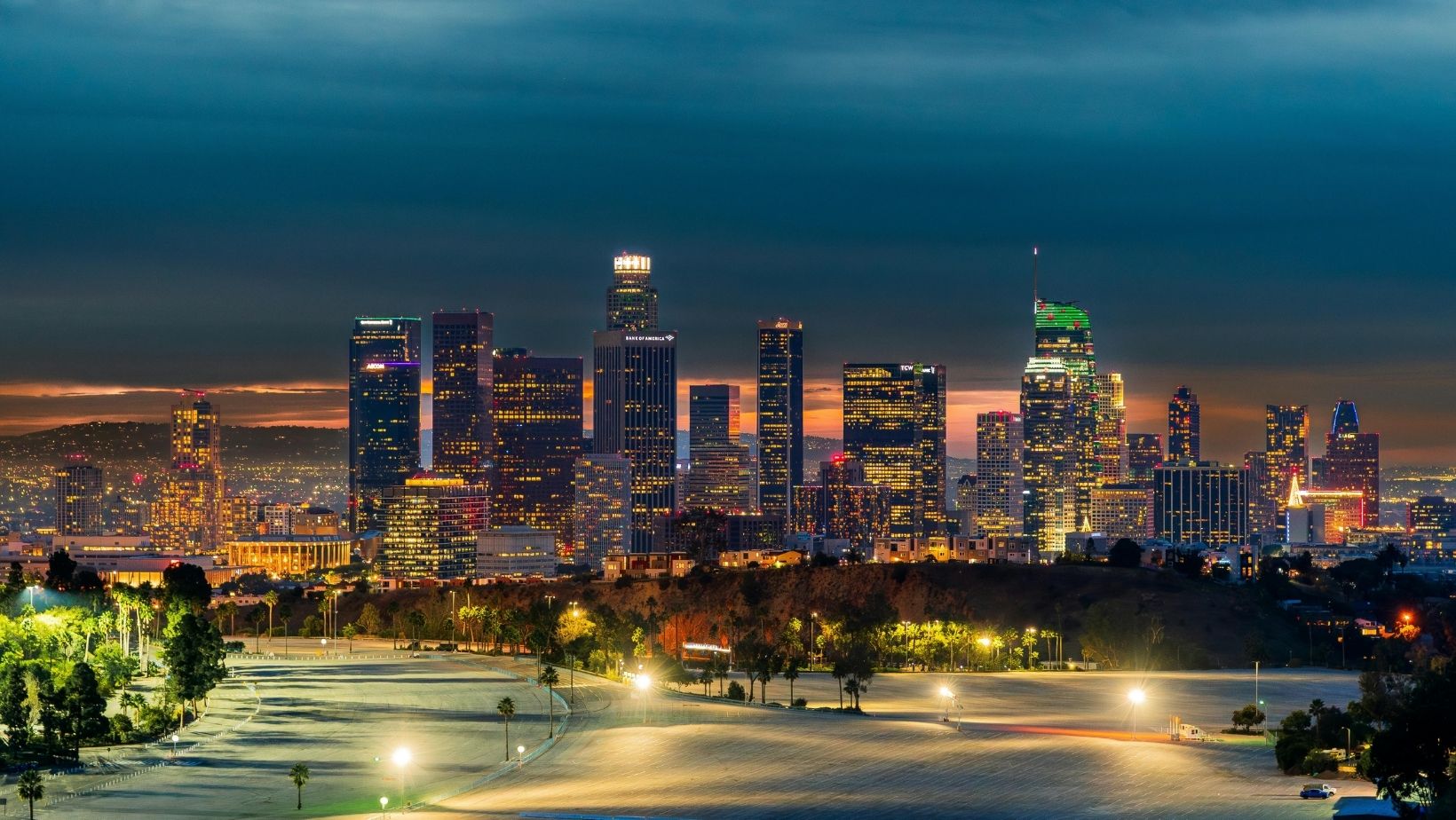
Another factor in choosing downtown accommodations is the proximity to “local” dining and social hubs. The area fosters a communal environment where it is common to run into neighbors from Maui or friends from Oahu. This social connectivity is a hallmark of the Ninth Island experience. However, noise levels on Fremont Street can be high, so requesting a room on a higher floor or away from the main canopy is a practical tip for those who prioritize sleep. Balancing the vibrant energy of downtown with the need for rest is key to a sustainable itinerary.
Navigating The City Using Public Transportation Options
Transportation within Las Vegas presents a challenge that catches many first-time visitors off guard. The distances between attractions are deceptive; what looks like a short walk on a map can be a grueling trek in the desert heat. While renting a car provides freedom, it comes with the steep reality of parking fees, which have been reinstated at nearly all major resorts. For visitors planning to spend most of their time in a specific corridor, the cost of a rental car plus daily parking often outweighs the convenience.
Public transportation offers a viable and cost-effective alternative, particularly the RTC transit system. The Deuce, a double-decker bus that runs 24/7 along the Strip and connects to Downtown, is a popular option for moving between major zones without the stress of navigating traffic. With Las Vegas welcoming 41.68 million visitors in 2024, congestion on Las Vegas Boulevard can be severe, making the bus or the Las Vegas Monorail efficient choices during peak hours. These options allow travelers to bypass the gridlock that frequently paralyzes the main thoroughfares.
For destinations off the main tourist track, ride-share services remain a staple, though pricing fluctuates wildly based on demand. A strategic approach involves using public transit for the main corridors and reserving ride-shares for specific trips to off-strip dining or family visits in Henderson or Summerlin. This hybrid approach minimizes costs while maximizing mobility. Additionally, walking should be timed carefully; early mornings and late evenings are manageable, but mid-day treks should be avoided to prevent exhaustion, leaving more energy for evening activities.
Finding Authentic Island-Style Dining In The Desert
One of the primary reasons Maui residents flock to Las Vegas is the abundance of comfort food that mirrors the culinary landscape of home. The desert has become a sanctuary for Hawaiian cuisine, with countless restaurants serving authentic plate lunches, poke, and saimin. However, the best spots are rarely located inside the major tourist resorts. Finding these gems requires venturing into the suburbs, particularly the Southwest and Henderson areas, where the local resident population supports a thriving culinary scene.
Dining out in Las Vegas has become an economic indicator of sorts, reflecting the spending power of visitors. While Maui’s own economy is in recovery mode, with visitor spending to Maui rising to $522.6 million in November 2025, local residents traveling outward are also looking for value. The “Ninth Island” dining scene offers portion sizes and price points that often beat the inflated costs found on the Strip. Establishments like the California Hotel’s Market Street Cafe remain legendary for their oxtail soup, but newer entrants in strip malls across the valley are offering contemporary takes on local favorites that rival kitchens in Kahului.
Planning dining excursions requires the same attention to detail as booking flights. Popular spots often have long wait times, especially on weekends. utilizing reservation apps or dining during off-peak hours can save valuable time. Furthermore, many travelers use these dining trips to stock up on goods from Asian supermarkets and specialty grocers that have a larger footprint in Vegas than back home. It is not just about a single meal; it is about accessing a wider variety of goods and flavors that make the trip feel like a true urban expansion of the island lifestyle.
Strategic Planning For 2026 Travel
As travel norms continue to stabilize throughout 2026, the key to a successful Las Vegas vacation lies in preparation. The spontaneous trips of the past are becoming harder to execute without incurring high costs or logistical headaches. By locking in flights early, choosing accommodations that align with social habits, utilizing a mix of transport options, and scouting dining locations in advance, Maui residents can ensure their time on the Ninth Island remains relaxing and rewarding. The relationship between these two destinations is enduring, and with a little foresight, the journey across the Pacific can be as seamless as a drive to the other side of the island.