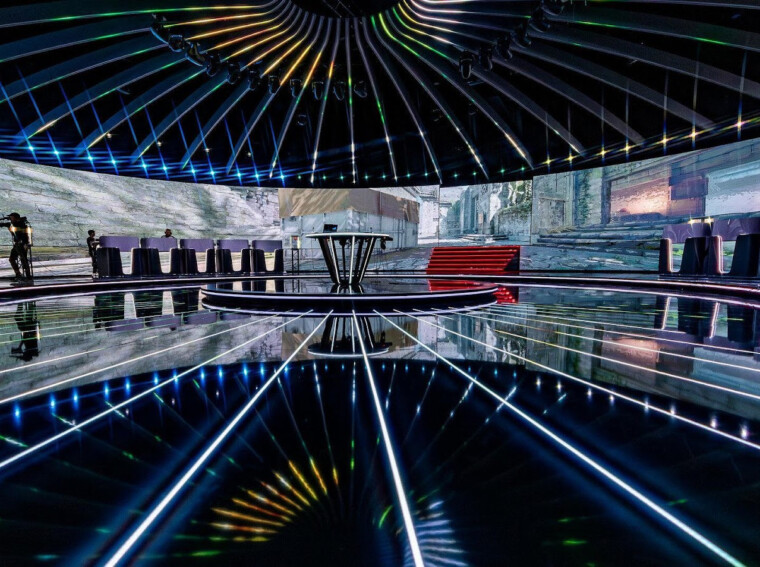
Modern digital festivals have become an integral part of the esports and gaming industry, bringing together millions of viewers worldwide. They define the rhythm of the season, shape major news narratives, and create a platform for the most exciting matchups. Not only the participants but also the carefully chosen dates and locations play a key role in their success. These factors directly influence the popularity of events, audience engagement, and the overall scale of each festival. In this article, we will explore the most important dates and locations of the biggest digital events of this season.
Season Calendar: Why Dates of Digital Festivals Matter
For the modern gaming and esports industry, the season of digital festivals has evolved into a global calendar that defines the rhythm of the entire year. Players, organizers, brands, media, and fans closely track when key events take place, as even a difference of a few weeks can impact audience interest and overall success. That is why topics such as cs2 events 2026 have become essential for anyone looking to stay updated and not miss the biggest tournaments.
The timing of digital festivals also shapes audience expectations and directly affects their reach. Events scheduled during less competitive periods tend to gain more visibility, while crowded timeframes force organizers to compete through unique formats, top-tier participants, and additional entertainment elements. Beyond matches, modern festivals include community activities, showcases, and interactive experiences, making the chosen date a crucial factor for both audience engagement and commercial success.
Key Locations of the Season: Where the Atmosphere Is Created
Despite the global nature of online broadcasts, the physical location of digital festivals remains one of the most important factors for success. The venue shapes the atmosphere, visual identity, and even the reputation of a tournament. Certain cities have already become symbols of esports and major gaming events. Cologne, Katowice, Copenhagen, Los Angeles, Shanghai, Seoul, and Singapore are not just points on the map — they are hubs where top teams, broadcast studios, and thousands of fans come together.
Europe traditionally remains one of the strongest regions in terms of organizing digital events. It combines developed infrastructure, convenient logistics, and a large fan base willing to travel across countries to attend live events. European locations often set the standard for production quality, audience experience, and stage design. A tournament in a strong location is not just about the venue — it is about the full experience: transport, accommodation, fan activities, accessibility, and overall event quality.
At the same time, other regions are increasingly competing for the status of hosting the biggest digital festivals of the season. North America often focuses on entertainment, media presence, and integration with the broader entertainment industry. Asia stands out for its technological innovation, scale, and forward-thinking approach. As a result, events become more spectacular, and audiences gain diverse experiences. In this context, the location is no longer just a backdrop — it becomes a core part of the festival’s brand and perception.
Peak Moments of the Year: The Most насыщені Periods
Throughout the season, digital festivals tend to cluster around several peak periods when the industry operates at full intensity. The first active phase usually begins in late winter or early spring. This is when opening tournaments, qualifiers, regional leagues, and the first major international events take place. These competitions set the tone for the season, reveal which teams successfully adapted during the offseason, and highlight emerging contenders. For fans, this period is especially exciting as it introduces new storylines, unexpected results, and an early hierarchy of power.
The second and most intense peak traditionally occurs in the summer. This is when the largest festivals, major LAN events, and championship tournaments are held, often reaching record-breaking viewership numbers. The summer calendar is packed not only because of the holiday season but also due to the long-standing tradition of hosting top-tier events during this time. Weekends can feature back-to-back high-profile matches, and the scene barely has time to cool down between events.
Autumn, in turn, becomes the season of conclusions. This is when final tournaments, decisive championships, and events that can reshape the perception of the entire year take place. Teams aim to solidify their success, players compete for individual recognition, and organizations begin planning roster changes and future strategies. As a result, autumn festivals often feel even more intense than summer ones — there is less room for experimentation and far more at stake. For fans, it is one of the most emotional periods of the year.
How Dates and Locations Impact Festival Popularity
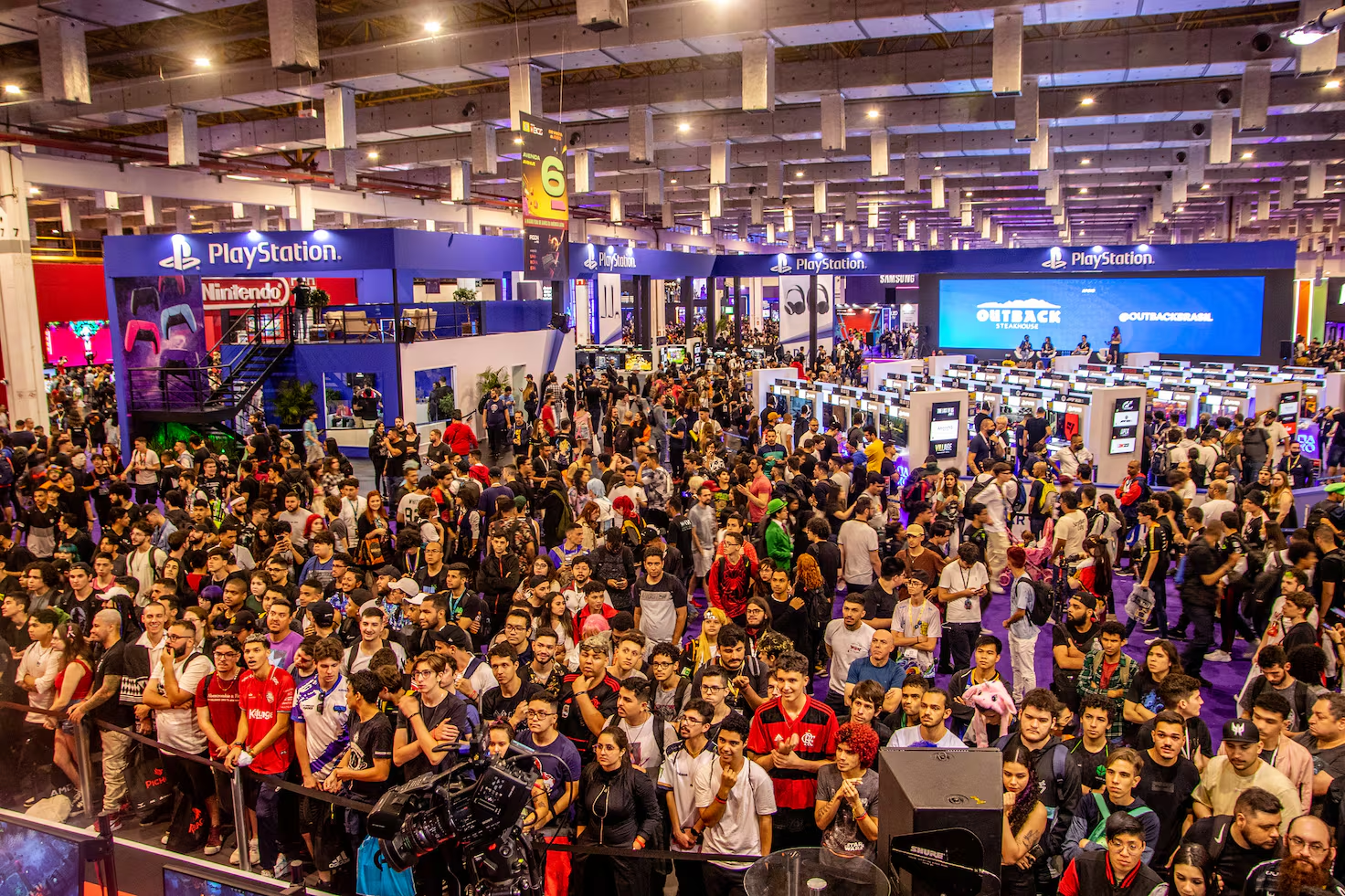
The success of a digital festival depends not only on its participants or prize pool. In many cases, the combination of the right date and the right location becomes the deciding factor. If a tournament takes place in a city with an established fan base and during a convenient viewing period, it gains a significant advantage even before it begins. This synergy helps build strong media momentum, attract broader coverage, and make the event appealing even to casual viewers.
Additionally, well-chosen dates allow organizers to expand the format. Modern festivals often go beyond matches, incorporating concerts, creator meetups, tech showcases, exhibition zones, and interactive experiences. However, these elements reach their full potential only when the event is not overshadowed by multiple competitors in the same timeframe. That is why a well-planned calendar becomes part of strategic planning rather than just an organizational detail.
The location also contributes to the legacy of a festival. Some events are remembered for iconic matches, while others stand out because of the unique atmosphere of a particular arena or city. When a tournament is held in the same location year after year, it becomes strongly associated with that place. Over time, even the name of the location can evoke emotions among fans. This is how digital festivals gain cultural significance — they become more than just entries in a calendar, turning into events with identity, history, and recognition.
Conclusion
The biggest digital festivals of the season are far more than just another set of tournaments. Their strength lies in the combination of timing, location, format, and media presentation. Significant dates determine when audience attention will peak, while locations shape the atmosphere and long-term reputation of the event. Together, these factors create festivals that serve as benchmarks for the entire industry.
In a season where competition for audience attention continues to grow, the most successful events are those that not only gather top participants but also choose the right moment and place. That is why the calendar and geography of major digital festivals deserve as much attention as the match results themselves. For fans, teams, and brands, they are the key to understanding how a modern esports season is structured and experienced.