
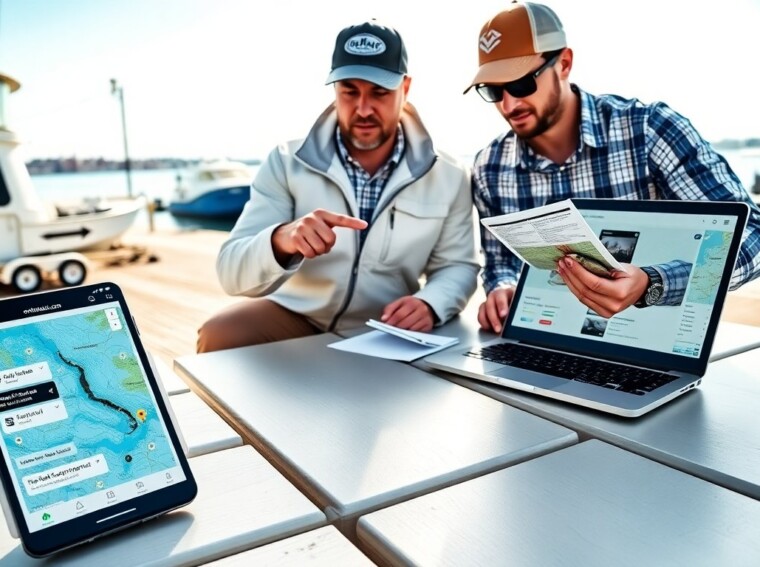
onthehake.com helps anglers find local fishing reports fast. The site lists recent catches, gear notes, and short forecasts. It lets users read maps and submit photos. Anglers use it to plan trips, pick lures, and track seasonal shifts. The guide shows how to use onthehake.com for clear, local intel and quick decision making on the water.
Key Takeaways
- OntheHake.com provides anglers with fast access to local fishing reports organized by region, species, and date for efficient trip planning.
- Users can utilize interactive maps and detailed catch reports, including bait, depth, and launch points, to make informed decisions on the water.
- The site offers gear reviews and species profiles to help anglers select the right equipment and understand fishing conditions.
- Subscription options include premium alerts for new reports by species or location and an ad-free experience, enhancing usability.
- OntheHake.com features a mobile-friendly design with easy navigation, offline mode for saved reports, and quick submission of user photos and reports.
- Additional resources like local regulations, tide and weather forecasts, launch ramp info, and tournament calendars support comprehensive fishing planning.
What OntheHake.com Offers Anglers
OntheHake.com lists daily catch reports. It separates reports by region, species, and date. The site shows catch size, bait used, and exact launch points when available. It also displays gear reviews written by local anglers. Readers find short gear pros and cons and clear photos. The database stores long-term patterns. Anglers can compare current reports with past reports to spot trends. It also provides tide and basic weather notes on report pages. The site highlights user photos next to reports so readers see real catches. It includes basic species profiles that list common baits and typical depths. The site links to local regulations where they apply. It offers a simple map view that pins recent reports for a quick area scan. Editors verify high-value reports to reduce obvious errors. Subscribers can enable alerts for selected species or launch points. The alerts notify users by email or SMS when new reports match their filters. The mobile view keeps the main functions visible: map, latest reports, and submit button. OntheHake.com also runs short region guides that name popular launch ramps and public parking. Those guides list simple logistics like boat ramp hours and local boat fuel options. It even lists nearby bait shops with user ratings. It offers a basic calendar of regional tournaments and community events. The site keeps the layout uncluttered so anglers act quickly. It charges modest fees for premium alerts and removes ads for subscribers. Most core features remain free to use.
How To Navigate OntheHake For Fast, Local Fishing Intel
Users land on the homepage and pick a region. The site filters reports by distance from the user. They can set a radius or search by town. The search box accepts species, lure, or date. Results list the newest reports first. Users scan short summaries and open full reports for details. The map button shows pins for each report. Pins show species and date when users hover over them. The site offers toggles to view only shore reports or only boat reports. It also offers a weather overlay that shows wind direction and strength. The overlay helps anglers choose sheltered launch points. OntheHake.com lets users sort reports by size, number, or bait. They can save a report to a personal list for later. The site also includes an offline mode for saved reports. The mobile menu puts submit and search near the thumb. It reduces taps on small screens.
Reading Catch Reports, Maps, And Forecasts
Reports start with a short summary line. The summary states species, number caught, and primary bait. The report body lists depth, structure, and exact launch point when possible. It records tide stage and time of day. It shows water temperature when users include it. The map view overlays pins on marine charts and public ramps. Users zoom to see clusters of catches. The map includes a simple legend for species icons. The forecast section gives a three-day wind and swell outlook. The forecast links to local tide tables and sunrise times. It also includes a basic moon phase note that anglers often use for bite timing. The site marks reports that match forecast windows, such as calm mornings or outgoing tides. Editors flag reports that lack essential details. Users can request missing fields before they trust a report. The layout keeps data in short lines so readers scan fast. The format uses plain labels like “depth,” “bait,” and “time.”