
The relation between sports and media has seen a revolution in the past few years, especially in terms of the involvement of digital media in the relationship between fans and their favorite teams, as well as their involvement in team-related content. New forms of fan involvement are now possible, which were unthinkable ten years ago, and the new forms of entertainment, such as Win Bet game, are part of the digital media that combines sports and media.
The Shift to Multi-Platform Consumption
The traditional television space is no longer holding its historical stronghold in the sports viewing space. Millions of Americans are now viewing live sports through digital outlets, illustrating a dramatic shift in viewing habits away from traditional pay television services.
Streaming has never been more popular. Recent reports within the television space have illustrated that streaming services are now holding a significant portion of total viewing share for television. Thursday Night Football on Prime Video continues to bring in massive viewing numbers.
Social Media as Primary Sports Content Channel
Social media has transitioned from being a sidekick to becoming the primary medium for consuming sports. According to IBM’s Global Sports Attitudes Report, the majority of sports fans utilize social media for additional content around their favorite sports, especially when they want to see highlight reels of major moments in the game.
This phenomenon is even more pronounced when it comes to younger generations of sports fans. Gen Z would prefer to view their sports content on social media apps compared to traditional television. Furthermore, Gen Z is more likely to participate in social media during games, whether they are viewing them at home or in the stands.
Generational Divide in Media Consumption
Age dramatically influences how fans engage with sports content. PwC research highlights stark differences between younger and older demographics that will reshape the industry’s future.
| Behavior | Fans 18-34 | Fans 35+ |
| Watch entire games at home | 19% | 45% |
| Use social media during events | 70% | 38% |
| Attend live events monthly | 1.4x more likely | Baseline |
| Average extra spend on tickets | +$70 | Baseline |
Gen Z and millennials want experiences that are interactive and technology-based. They want real-time statistics, personalization, and multiple ways to engage with a product all at once. In fact, only 1% of young sports fans have nothing else to do but watch sports.
The Rise of Streaming Sports Platforms
The big players in the streaming space are now aggressively pursuing sports rights, breaking the mold of how we consume sports programming. Amazon Prime Video now has exclusive rights to Thursday Night Football in the NFL. Apple TV+ now includes MLS matches. Peacock carries Premier League matches, as well as select NFL games. Max carries NHL programming as part of its Bleacher Report sports package.
This is creating challenges and opportunities for the sports industry. Viewing of the Super Bowl on smartphones, tablets, and other devices has seen explosive growth year over year, while traditional cable and antenna viewership continues to fall. The shift to digital platforms is happening even more quickly than most analysts predicted even just a few years ago.
Content Format Evolution
Fans are shifting their focus to short, bite-sized content rather than long-form programming. The IBM study found that 41% of fans consume event summaries or highlights at least once a week, and 24% do this every day. If fans need more information, 33% seek summarized information, and 26% want the information personalized.
This shift has created new content categories:
- instant highlights appearing seconds after key plays;
- AI-generated summaries providing quick game recaps;
- social clips optimized for platform-specific formats.
Broadcasters have adapted by integrating shareable highlights, real-time social feeds, and interactive graphics into coverage. The competition for attention requires constant innovation in how content reaches audiences across multiple touchpoints.
Stadium Experience and Digital Integration
Despite the advancement in technology, people still show up in person, and tech enhancements only increase their satisfaction. Fans expect tech integration in the stadium experience. Today’s stadiums offer mobile ordering, real-time statistics on fans’ personal devices, and social media integration throughout the venue.
The connection between digital and physical experiences creates feedback loops:
- 39% of UK fans browse social media for event-related content during matches.
- 47% of Irish viewers engage with social platforms while watching live sports.
- Younger fans spend $70 more on average for premium experiences.
- Unique experiences rank as the most important factor for younger attendees.
Sports organizations leverage data from digital touchpoints to personalize stadium experiences. Purchase histories, location data, and engagement patterns inform everything from food recommendations to seat upgrades.
Betting Integration and Engagement
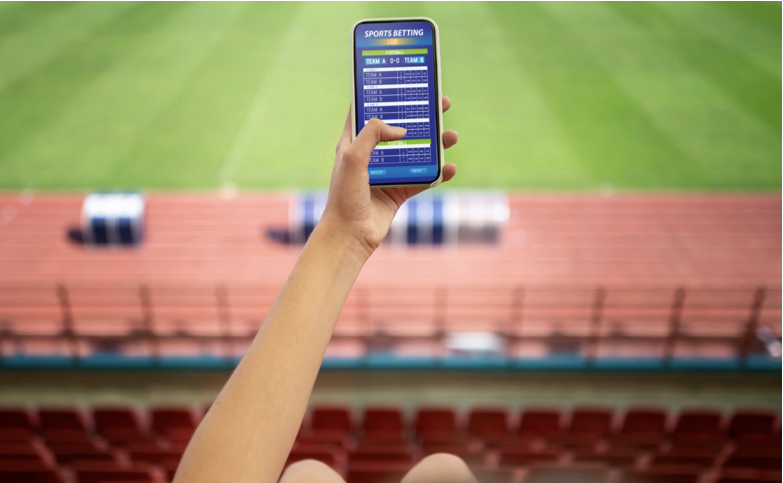
Mobile betting is now an equal part of how people consume sports viewing. According to PwC’s findings, young people are more likely to bet, especially on soccer matches. Nearly 80% of young people say they are more likely to watch games for which they have placed a bet.
This integration extends beyond simple wagering:
- Real-time odds are displayed during broadcasts.
- Fantasy sports platforms require constant statistical monitoring.
- Predictive games offering engagement without monetary stakes.
- Interactive second-screen experiences tied to live action.
The betting connection may prove crucial for maintaining younger audience attention spans during extended broadcasts. When personal stakes exist, engagement naturally deepens.
Future Implications for Sports Media
The fusion of digital trends is a clear indication of more change on the horizon. Artificial intelligence is already at work, tailoring content and analyzing data in real-time. Virtual and augmented reality are just around the corner, promising to transport viewers into immersive experiences that combine the physical and digital world.
Organizations that begin preparing for this shift now will find a significant advantage in the future. The connection between sports, media, and the public is changing at a pace that is nothing short of extraordinary. The digital revolution has forever changed the way fans consume media, interact with teams, and experience the emotional connection that is the very heart of the power of sports. Those in the world of sports media must understand the changing landscape.