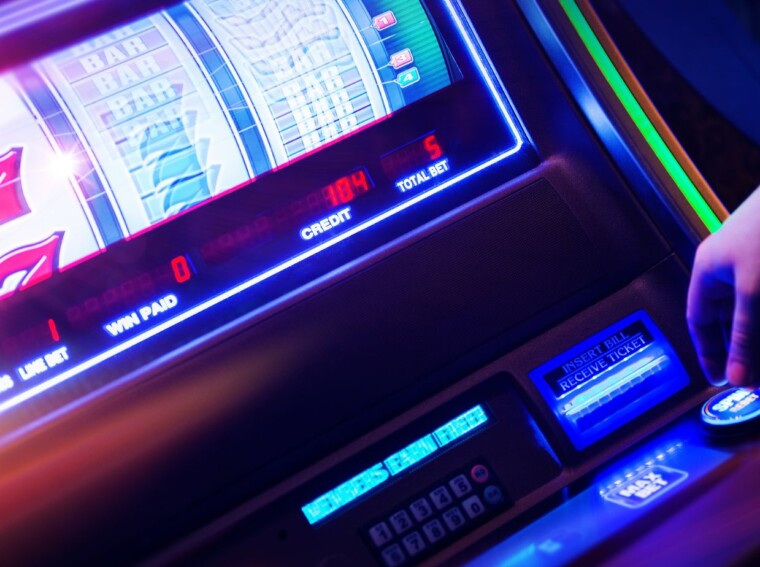
Casino slots are often talked about as the simplest part of online casinos, but that simplicity is exactly why they’ve become the most used. Slots didn’t grow because people suddenly wanted fewer choices. They grew because they fit naturally into how people already spend time online. For readers of thehake.com, the interesting part isn’t the mechanics of slots. It’s how they quietly became a form of casual digital entertainment rather than something people plan around.
Slots Don’t Ask For Commitment
Most online casino games require some level of attention. Card games need rules. Live games require timing. Even sports betting demands awareness of events. Casino slots don’t. You open a game, spin, and immediately know whether you want to keep going or stop. There’s no penalty for leaving. No memory required when you come back. That lack of obligation makes slots easy to return to without thinking about it.
Why Slots Feel Closer To Mobile Games Than Casinos
Modern slots borrow heavily from mobile game design. Short rounds. Bright visuals. Clear feedback. Frequent resets. That design choice isn’t accidental. People are used to tapping, reacting, and moving on. Slots match that rhythm almost perfectly. A spin lasts seconds. The result is obvious. You decide what to do next without friction. Because of that, slots often feel less like gambling and more like casual play, especially for users who only engage for a few minutes at a time.
Online Casinos Learned To Build Around Short Sessions
One of the biggest changes in online casinos over the last decade is session length. Fewer people stay for hours. More people dip in briefly and leave. Slots are built for that behaviour. You don’t need to warm up. You don’t need to finish anything. A five-minute session feels complete in the same way a short video does.
That’s why many online casinos now place slots front and centre. They’re not pushing them because they’re simple. They’re pushing them because they match how people actually use the platform.
Themes Matter More Than Math
While odds and return percentages exist in the background, most slot players choose games based on feel. Visual style. Theme. Sound design. A game that looks inviting gets opened. One that looks cluttered gets skipped.
This mirrors behaviour across apps and streaming platforms. People decide quickly whether something feels worth a few minutes of attention. Slots that understand this tend to outperform technically similar games that don’t.
Control Without Pressure
Another reason slots remain popular is control. You decide how fast to play. You decide when to stop. Nothing external forces action. For many users, that autonomy is more important than the outcome of any single spin. The experience adapts to the player’s mood, not the other way around. That sense of control keeps slots approachable even for people who don’t see themselves as regular casino users.
Why Online Casinos Revolve Around Slots
From a platform perspective, slots solve a problem. They give users something to do immediately, without explanation or commitment. Online casinos that rely only on complex games risk losing casual visitors. Slots keep the door open. They allow curiosity without pressure. That doesn’t mean slots replace other games. It means they anchor the experience. Everything else sits around them.
Slots As Background Entertainment
The most accurate way to describe how many people use casino slots today is this: background entertainment. They’re played while watching TV, listening to music, or waiting for something else. Attention drifts in and out, and the game tolerates that perfectly.
Casino slots didn’t become dominant because they’re basic. They became dominant because they respect short attention, casual use, and easy exits. In an online world where nothing holds focus for long, that flexibility turned out to be their biggest strength.