
The 2026 Preakness Stakes is entering a rare transition year. It remains one of the biggest dates on the Triple Crown calendar, but it will run at Laurel Park instead of Pimlico. That venue change presents this year’s event with a fresh operational challenge.
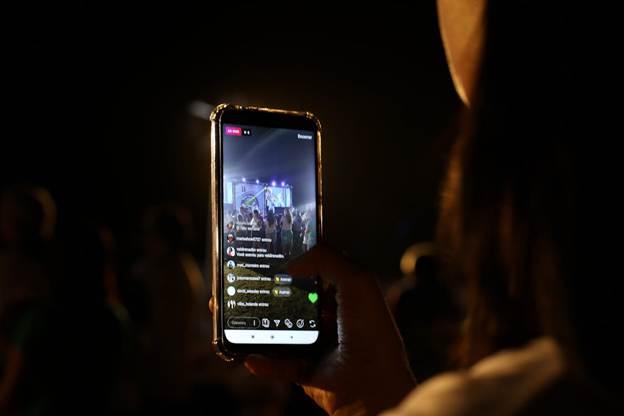
A smaller live setting increases reliance on broadcast coverage and mobile access. Fans will use live streams, race updates, and digital ticketing to follow the event with less friction. In this environment, technology plays a bigger part in how the 2026 Preakness is watched and managed.
Live Coverage Becomes the Main Gateway
Television still matters, but streaming has become the cleaner entry point for many viewers. Current coverage plans list CNBC earlier in the afternoon, then NBC later in the day. Peacock is also scheduled to carry the live stream, which gives the event a direct digital lane.
That wider digital lane matters even more at Laurel Park because fewer people can be there in person. A capped on-site crowd turns national coverage into the larger stage, so viewers will not just be watching the race in isolation. They will track the confirmed field, post positions, and scratches as race day approaches. During that same viewing window, fans can check the latest Preakness Stakes odds through digital racing pages, which helps them understand how the field is being viewed before the race unfolds.
Once those updates sit beside the live stream, coverage becomes more than a broadcast. It becomes part of a wider race-week information loop for fans outside Maryland. In 2026, live coverage works best when it connects the broadcast, field updates, and the broader race picture in a seamless flow.
The Temporary Venue Changes the Tech Job
Laurel Park is not simply a borrowed backdrop. It changes traffic patterns, seating expectations, and how information must flow across the event. Official event guidance confirms that the 2026 Preakness will be held there because Pimlico is undergoing renovations.
That shift gives digital communication a bigger role before fans even arrive. People need clear updates on entry rules, parking flow, ticket access, and schedule changes. When the venue changes, even small details matter because regular racegoers cannot rely on the same habits they used at Pimlico.
The pressure continues once fans reach the grounds. A smaller live gate puts more weight on mobile maps, timed alerts, and clear venue prompts. The smoother the digital flow, the less the venue change feels like a disruption.
Mobile Tickets Make Access More Controlled
Ticketing has become part of the race-day system. The Maryland Jockey Club Account Manager supports ticket purchasing and management for Laurel Park and Pimlico events. That gives organizers a cleaner way to handle entry and updates in one place.
This is not just about convenience. Mobile ticketing helps match limited capacity with controlled access. It also reduces confusion when dates and package types vary across Preakness weekend. For a relocated event, that kind of order has real value because every misplaced detail can slow the gate.
Apps Turn Race Day Into a Data Feed
The modern Preakness is built around constant information. Fans want entries, scratches, post time updates, and broadcast timing without having to dig through several pages. Apps and mobile sites make that possible in a way printed programs cannot match.
The field was still not final as of today, with the draw set for May 11. That detail matters because the biggest digital demand often comes before the race itself. Fans check updates during the gap between the Derby and the Preakness. A strong app experience keeps that short window organized and keeps late changes easy to track.
Short Video Extends the Event Window
Preakness content now starts before the gate opens. Short race clips and workout videos stretch attention across the week. That is useful in 2026 because the temporary venue needs more explanation than usual.
The best digital content does not just repeat the schedule. It shows how Laurel Park looks and what changes from past years. That turns social video into a practical guide. It also gives remote viewers a sharper sense of the setting before live coverage begins.
This digital layer also matters for the race brand. Churchill Downs Incorporated has agreed to acquire the Preakness intellectual property after this year’s race, while Maryland is expected to keep staging it through licensing. That makes media reach and mobile presentation part of the long-term strategy, not just race-week decoration.
The Smart Race Is Already Digital
The 2026 Preakness shows how much the race-day experience has widened. It is still centered on the horses, the track, and the pressure of the Triple Crown. But the way people follow those details now depends on more than one broadcast.
Live streams, apps, and updates help make the event easier to follow from different places. That matters more this year because Laurel Park brings a new setup for fans to understand. In the end, technology adds value when it makes the whole race day easier to read.