Most people who get into crypto quickly realise there is not just one way to trade. Some prefer buying coins and holding them, while others want to take advantage of price movements throughout the day. Understanding how these approaches differ can make a big impact on your trading journey and the decisions you make.
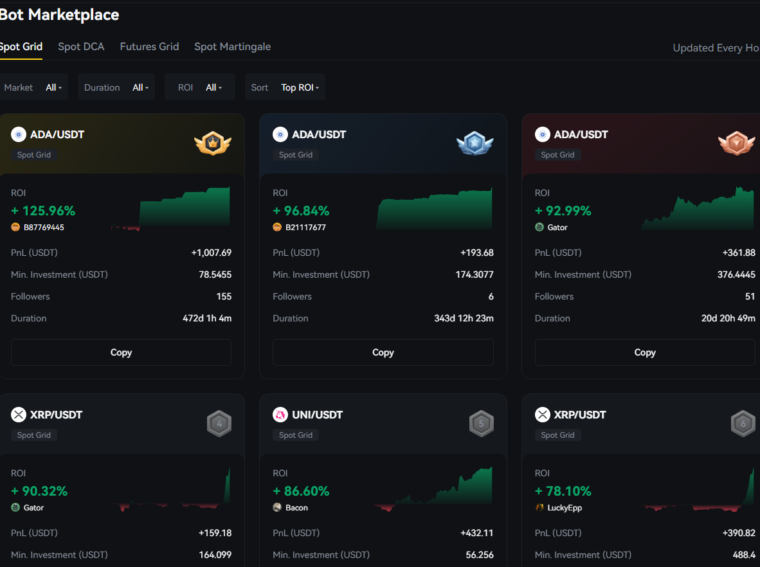
On a platform like BYDFi, you are not limited to just one style of trading. You can explore spot markets, try leverage trading, or even automate your approach. Many users also choose to set up grid or DCA bots to trade 24/7, which helps remove emotion and keep strategies running even when you are not watching the charts.
The real question most traders ask is which approach fits them best. Spot trading vs leverage trading comes down to your goals, your risk tolerance, and how actively you want to be involved in the market each day.
Understanding Spot Trading and Its Role in Crypto Investing
Spot trading is one of the simplest ways to participate in crypto markets. It means buying and selling cryptocurrencies at their current market price, with full ownership of the asset. If the price rises, your holdings gain value, and if it falls, your portfolio reflects that change.
On BYDFi, spot trading covers major cryptocurrencies like BTC, ETH, XRP and more, along with emerging sectors such as AI, DeFi and RWA. Many traders use a crypto spot trading strategy to build positions gradually and respond to long-term market trends.
Tools like Spot Grid and Spot DCA bots also help users automate their approach, allowing strategies to run continuously and reduce emotional decision-making while staying active in the market over time.
How Leverage Trading Works on BYDFi
Leverage trading means you can open larger trades than the amount of money you actually have. Instead of only using your own funds, you borrow extra exposure, which makes both gains and losses move faster compared to spot trading.
On BYDFi, this is done through perpetual contracts, which allow traders to speculate on price movements without owning the actual coin. Leverage can go up to 200x, which gives more room for short-term trading opportunities.
Because this type of trading can move quickly, tools like stop loss and take profit are often used to help manage risk. Many traders also start with a demo account first so they can understand how leverage works before using real funds.
Spot Trading vs Leverage Trading: Key Differences and Use Cases
Spot trading is when you buy and sell crypto at its current price and actually own the asset. It is usually used for longer-term holding and slower, steadier growth. Many traders prefer it when they want a simpler way to enter the market.
Leverage trading is different because you are trading with borrowed exposure, which makes your position larger than your initial funds. This can increase both potential gains and losses, so it is often used for short-term trading and more active strategies.
The choice between spot trading vs leverage trading depends on your goals. If you want lower risk and long-term investing, spot trading is more suitable. If you are looking for faster opportunities and are comfortable with higher risk, leverage trading may fit better.
How to Choose Between Spot Trading and Leverage Trading
Choosing between spot trading and leverage trading really depends on your goals and how you prefer to interact with the market. Some traders focus on long-term holding, while others prefer more active strategies that respond quickly to price movements.
If you are just getting started, spot trading on BYDFi can feel more straightforward since you are buying and holding crypto directly. You can also explore different markets and use automated tools such as Spot Grid and Spot DCA bots, which help traders maintain consistent strategies without constantly monitoring the market.
For more active traders, leverage trading on BYDFi offers a different approach with larger position sizes and faster-moving opportunities. Features such as demo trading, copy trading, stop-loss orders, and take-profit settings can help traders manage positions more effectively, although leverage trading still requires careful attention and risk management.
Conclusion
Spot trading and leverage trading both offer different ways to approach the crypto market, depending on your goals and experience. Spot trading focuses on long-term holding, while leverage trading is more active and fast-paced. With BYDFi, traders can explore both spot and leverage trading while using tools such as demo trading, Spot Grid bots, Spot DCA bots, stop-loss orders, and take-profit settings to manage their strategies more effectively.