
Bingo is known for being easy to play, but like any popular game, it comes with its own set of terms and phrases that players will hear regularly. Whether someone is new to the game or transitioning from traditional halls to digital play, understanding bingo terminology can make the experience far more comfortable and enjoyable. Many terms are shared across formats, while others are specific to modern platforms and styles of play.
As bingo continues to grow—especially through bingo online platforms—familiarity with common terminology helps players follow games confidently, understand announcements, and fully engage with both gameplay and social features. Below is a comprehensive guide to the key bingo terms people should know.
Bingo Card
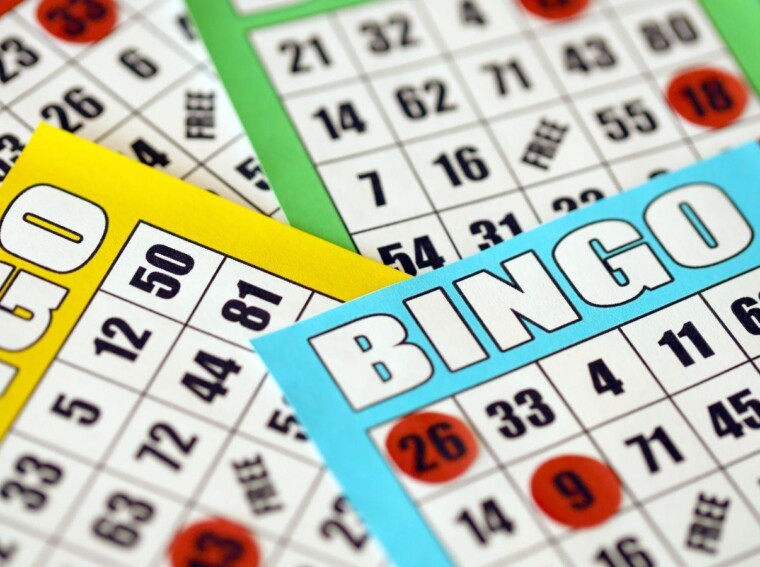
A bingo card is the grid that displays the numbers players are trying to mark off. The layout changes depending on the game format, such as 90‑ball, 75‑ball, or 80‑ball bingo.
Important points:
- Each card contains a unique set of numbers
- Players may have multiple cards at once
- Online platforms often mark numbers automatically
Understanding card layouts helps players stay organised during play.
Caller
The caller is responsible for announcing the numbers as they are drawn. In physical halls, this is a person calling numbers aloud, while online games usually use a digital or automated caller.
The caller’s role includes:
- Announcing drawn numbers
- Maintaining game pace
- Confirming wins
The caller’s numbers set the tempo of the game.
Ball Draw / Number Draw
The ball draw refers to the process of selecting random numbers during the game. Each number is drawn once per round.
Key details:
- Numbers are unpredictable
- Draws continue until a winning pattern is achieved
- Speed varies by game type
This term is essential to understanding how each game unfolds.
Win Pattern
A win pattern defines what combination of marked numbers results in a win. Different games use different patterns.
Common win patterns include:
- One line
- Two lines
- Full house
- Shapes (such as letters or diagonals)
The required pattern is always displayed before the game begins.
Full House
A full house means all numbers on a card have been marked. In many formats, especially 90‑ball bingo, it represents the final and highest‑value win of the game.
Why it matters:
- Usually ends the game
- Often comes with the largest prize
- Creates the most anticipation
Winning a full house is a key bingo moment.
Line
A line refers to completing one full horizontal row on a card. Some games award prizes for completing one line, two lines, or multiple lines.
Key notes:
- Lines are often intermediate wins
- Multiple line wins may be available
- Line wins build tension before a full house
Understanding lines helps players track progress clearly.
Dabber / Marker
A dabber or marker is the tool used to mark numbers on a physical bingo card. Digitally, marking is usually automatic.
Why it’s mentioned:
- Dabbing numbers is part of traditional play
- It’s often referenced nostalgically
- The sound or action is iconic to bingo
While digital play doesn’t require one, the term is still common.
Auto‑Daub / Auto‑Mark
Auto‑daub (or auto‑mark) is a feature commonly used online that automatically marks numbers on a card when they are called.
Benefits include:
- Prevents missed numbers
- Reduces stress
- Makes multi‑card play manageable
This feature makes online bingo more accessible.
Room
A bingo room is the virtual or physical space where a game takes place. Each room typically hosts a specific type of bingo.
Rooms may be:
- Format‑specific (e.g. 90‑ball rooms)
- Themed or event‑based
- Social or fast‑paced
Choosing the right room shapes the experience.
Chat Host
A chat host is a moderator present in many online bingo rooms. Their role is to encourage conversation and maintain a friendly atmosphere.
Chat hosts often:
- Welcome players
- Run chat activities
- Announce winners
- Keep discussions positive
They are key to the social side of online bingo.
Jackpot
A jackpot is a larger prize triggered when a specific condition is met, such as winning within a certain number of calls.
Key points:
- Jackpot rules are fixed before play
- Conditions vary by game
- Not every game includes a jackpot
Understanding jackpot terms avoids confusion.
Claim Bingo
“Claim bingo” is what players do when they believe they have achieved the winning pattern. Online systems usually claim automatically, but the term remains widely used.
Why it matters:
- Signals a win
- Stops the game
- Initiates prize confirmation
In physical bingo, timing is crucial.
Speed Bingo
Speed bingo refers to formats with faster number draws and shorter games, such as 30‑ball bingo.
Characteristics include:
- Rapid calls
- Quick results
- Short sessions
This term helps players choose pacing they prefer.
Session
A session refers to a period of continuous play, often involving multiple games in the same room.
Sessions can be:
- Short and casual
- Planned and routine
- Event‑based
Knowing what a session involves helps players manage time comfortably.
Why Knowing Bingo Terminology Matters
Understanding bingo terminology:
- Reduces uncertainty
- Builds confidence for new players
- Enhances enjoyment
- Improves social engagement
Whether playing in halls or on bingo online platforms, these terms provide clarity and comfort.
Bingo terminology may seem extensive at first, but most terms are simple and intuitive once understood. From basic concepts like cards, callers, and win patterns to online features such as auto‑daub and chat hosts, these terms help players fully engage with the game. Learning bingo language not only improves gameplay but also enhances social interaction and enjoyment.
By becoming familiar with common bingo terms, players can focus less on mechanics and more on what makes bingo special: shared anticipation, friendly community, and relaxed entertainment.