
Remote interactive gambling refers to engaging in gambling activity outside traditional casinos via remote communication (TV, phone, or internet). Historically, such activity has been illegal in New Zealand.
However, the prohibition didn’t stop the most passionate casino players from visiting offshore sites. Given the risks such conduct carries, the Department of Internal Affairs introduced the first draft of what would become the Online Casino Gambling Bill, marking a new era in the country’s casino history.
New Zealand Moves Closer to Legalizing Online Casino Gambling
We know the date: On December 1, 2026, New Zealand will begin issuing online gambling licenses. The Online Casino Gambling Bill establishes the legal framework governing online gambling in the country. According to the latest draft of the bill, the country will issue 15 licences.
The bill had its first reading in July 2025. Since then, the Ministry of Internal Affairs has published supporting documents outlining the finalization process and implementation timeline for the benefit of operators and industry stakeholders.
New Zealand has a long-standing reputation for world-class traditional gambling. Well-established operators, SkyCity Casino in Auckland, have set the gold standard for years, attracting both locals and tourists year-round. However, as the industry moves toward a regulated digital future, the focus is shifting to how these established names adapt.
Reinforcing its position as a trusted local leader, SkyCity Casino has already moved to confirm its legitimacy in the digital space by formally applying for one of the upcoming official licenses. For players, this move signals a commitment to the same high standards of safety and regulation found in their physical venues and a new era of regulated online play.
Who Can Apply for the Licence?
Only offshore operators offering casino-style games can enter the competitive auction for a license. One operator may hold up to three licences. Licences issued will be valid for three years, with renewal available for up to five additional years.
The interested parties can expect regulations to be finalized by mid-2026. The bill’s initial draft already covers topics such as problem gambling prevention and minimisation. It contains provisions regarding marketing and advertising rules, record-keeping, and player protection.
As the DIA (Department of Internal Affairs) explains, the goal is to complete the regulatory framework well before the licence application process begins, so that aspiring licence holders can prepare and ensure compliance.
The Criticism and the Outcome
The initiative to regulate online gambling faced criticism from the start. The problem was not the regulation itself, but the content of the bill.
Land-based casinos in New Zealand are required, often as part of their licensing conditions, to participate in funding community projects and initiatives. Online casinos, based on the first draft of the bill, would not have to adhere to the same rules. That raised concerns, especially among groups relying on those funds.
The DIA has acknowledged the feedback, resulting in modifications to the community funding returns. What was the outcome? The offshore gambling duty, first set at 12%, was changed to 16%, and the 4% difference will be specifically allocated towards community projects.
The Regulated Online Gambling Market Will Not Harm the Class 4 Model, Say Authorities
New Zealand divides gambling into various classes. Class 4 gambling, for instance, involves running pokie machines outside land-based casinos.
Charitable and community organizations registered in NZ may run this type of gambling; they first must acquire an operator’s and venue licence.
Those who support and take part in the Class 4 gambling model believe the online gambling market could jeopardize the future of community projects funded by the not-for-profit Class 4 model.
Local sports organizations were among the loudest to express their concerns, as the gaming machine grants are among, if not the only, source of funding.
The authorities assure potentially affected community groups that the regulated online casino market will not disrupt the Class 4 model. If anything, it will add to it.
The changes to the community funding returns will require online casino operators to contribute to the community. The applicable return mechanism will resemble the requirements under which land-based casinos already contribute.
Online Gambling and Advertising Rules
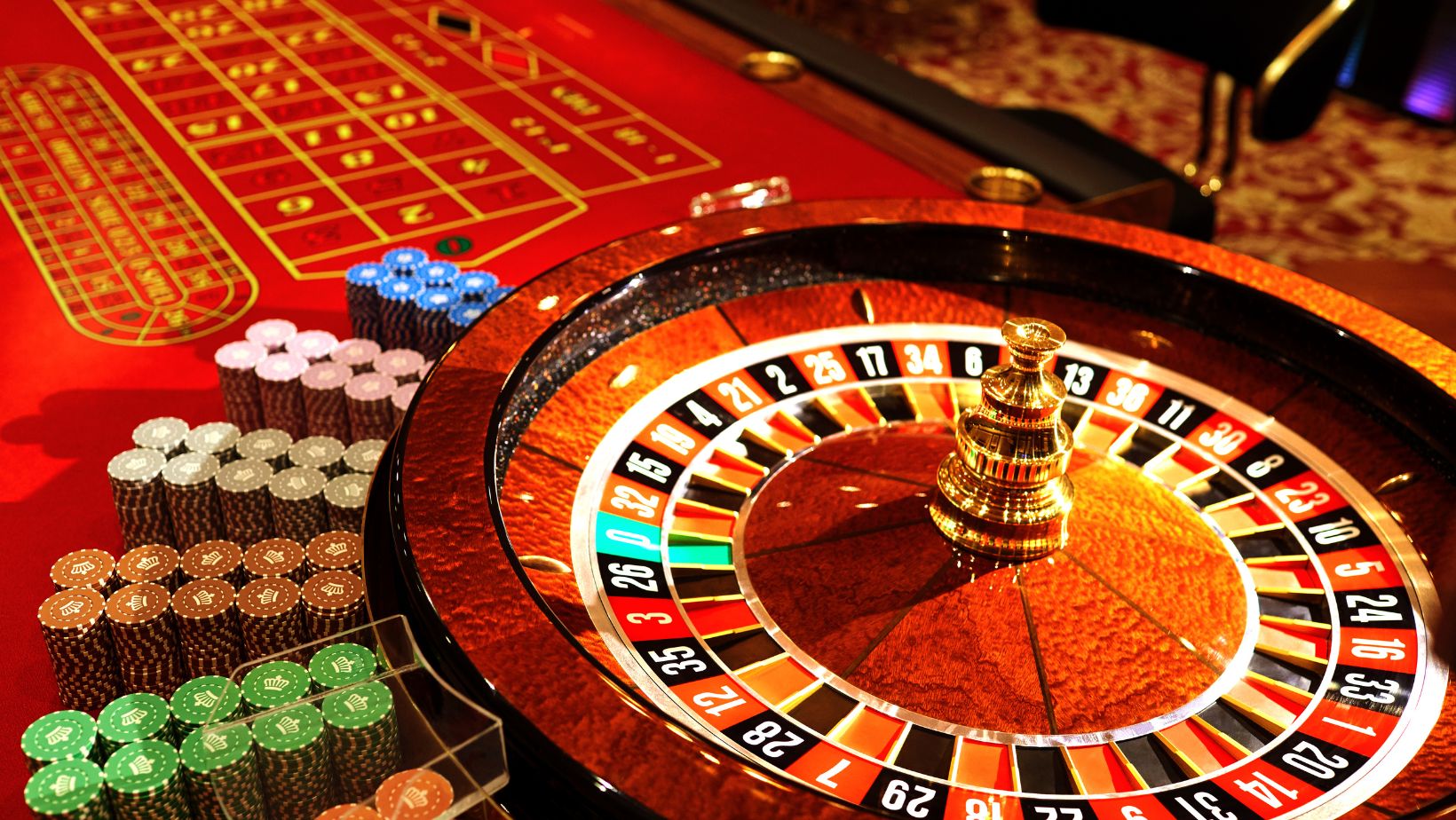
The regulated online casino market also falls under strict advertising rules. Breaking them – engaging in activities such as targeting minors or creating misleading advertising – can and will cause severe financial and legal penalties. The bill permits advertising, but operators must follow the strict guidelines to avoid further restrictions.
Harm Prevention Is a Non-Negotiable
While the NZ Government shows interest in what the public thinks about regulating online gambling and the content of the Online Casino Gambling Bill, they don’t take their eyes off their primary aim: gambling harm prevention and minimisation.
The country has already dedicated NZ$81 million to gambling harm prevention initiatives and expects those funds to grow through taxes and regulatory fees collected from the chosen licensed operators.
The arguably small number of available licences will not create a large market. But it will ensure a more controlled and safe environment for all the parties involved.